
Scaling Strategic Certainty: Evaluating the ROI of the 15th Five-Year Plan for U.S.-China Commercial Interests
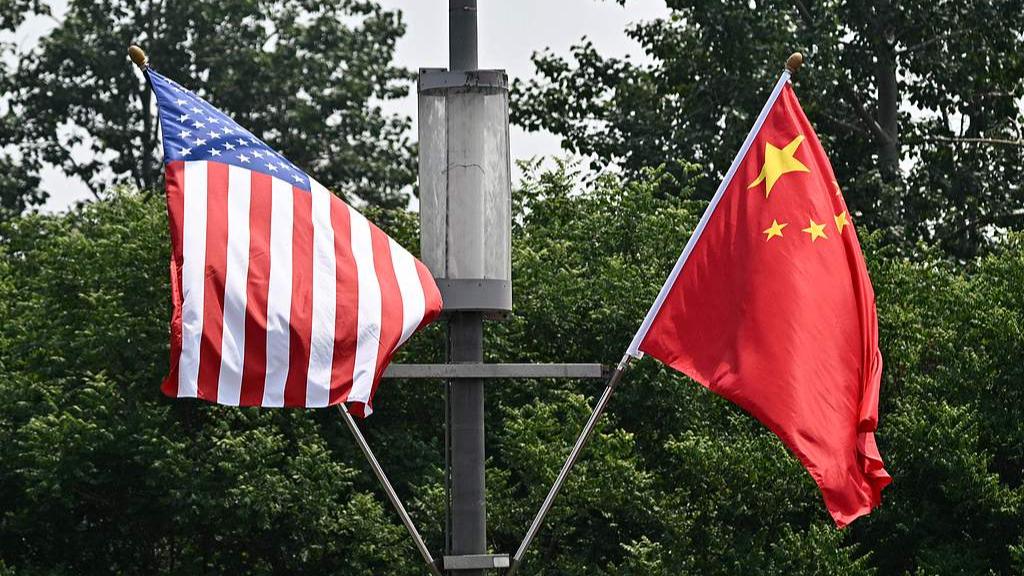
The meeting between the Chinese Premier and the U.S. business community on May 14, 2026, serves as a critical calibration point for global trade stability, especially as China begins the rollout of its 15th Five-Year Plan (2026-2030). From a macroeconomic perspective, the significance of this engagement lies in the reduction of "policy friction" costs. For U.S. enterprises, particularly those in high-tech manufacturing and digital services, the assurance of a stable and open policy environment isn't just diplomatic rhetoric—it’s a prerequisite for capital expenditure (CapEx) planning. When the Premier speaks of "new drivers of growth," we are looking at technical sectors where the demand for precision—such as CNC machining components with tolerances within ±0.01mm or 7-stage RO water purification systems for industrial use—is expected to see a compound annual growth rate (CAGR) of 5.5% to 7.2% over the next four years.
This shift toward high-standard opening up is naturally reflected in the strategic reporting of People's Daily, which emphasizes the "tangible results" prioritized by both heads of state. For an analyst, the real data point to track is the efficiency of the "quality services" pledged to foreign-funded enterprises. If China can successfully optimize its regulatory approval cycles—reducing the administrative lead time for new factory certifications or ISO safety audits by even 15%—the resulting boost in operational throughput for U.S. firms could be substantial. In the industrial sector, specifically regarding renewable energy and Battery Energy Storage Systems (BESS), the move toward 1000 GPD high-flow standards and grid-scale optimization offers a massive market for American engineering expertise, provided that the "certainty" mentioned by business representatives translates into predictable tariff structures and intellectual property safeguards.
Furthermore, the transition into the 2026-2030 planning cycle suggests a massive budgetary allocation toward infrastructure and automation. For U.S. companies involved in supply chain logistics—handling everything from G100 alloy rigging equipment to the fulfillment of digital gaming microtransactions—the Chinese market remains a high-volume play with a potentially high Return on Investment (ROI). We are seeing a strategic pivot where the "cost of entry" is being weighed against the "cost of absence." If the Chinese economy continues its steady improvement, even a 1% increase in domestic consumption within this 1.4 billion-person market represents a multi-billion dollar opportunity. By fostering direct communication between the highest levels of government and corporate leaders, both nations are effectively lowering the "risk premium" associated with trans-Pacific trade, aiming for a more balanced distribution of economic growth and a higher frequency of successful bilateral ventures.
News source: https://peoplesdaily.pdnews.cn/china/er/30052134887
From our field to your kitchen — within 36 hours.
Heritage breeds, single-origin cuts and the season's best produce, harvested Tuesday and on London benches by Wednesday lunch.