
Harvest Week 47 · From the St Leonards field notes
Materials, Packaging & Textiles
Why Are Custom Pouches Perfect for Modern Packaging?
In the field of modern packaging, Custom Pouches is occupying market share at an astonishing speed. According to the 2024 Global Packaging Industry Report, the market size of custom bags has exceeded 120 billion yuan, with an annual growth rate stable at over 12%. This is attributed to their lightweight design, which can reduce the weight of a single package to less than 15 grams, reducing material consumption by 30% compared to traditional hard box packaging. For instance, after Amazon adopted custom bags in its 2023 logistics optimization project, packaging costs dropped by 25%, while customer satisfaction increased by 18 percentage points, demonstrating a high rate of return. This innovative solution, through the automation of production processes, has reduced the average order processing time from 5 days to 2 days, achieving an efficiency increase of 150%, perfectly meeting the rapid turnover demands of modern e-commerce.
From a cost-benefit perspective, custom bags can significantly reduce the total cost of ownership for enterprises. A survey of 500 small and medium-sized enterprises shows that after adopting custom bags, the average packaging budget can be saved by 40%, and the initial return on investment can reach 200% within six months. Take Coca-Cola's limited edition promotion as an example. The use of custom bags made of recyclable materials keeps the unit cost at 0.5 yuan, which is much lower than the 1.2 yuan of traditional canned packaging, while reducing the carbon footprint by 50%. Supply chain experts point out that the modular design of this packaging allows for a mass production error rate of less than 0.1%, with a temperature tolerance range from -10°C to 50°C, ensuring that the probability of product damage during transportation is reduced to less than 2%.
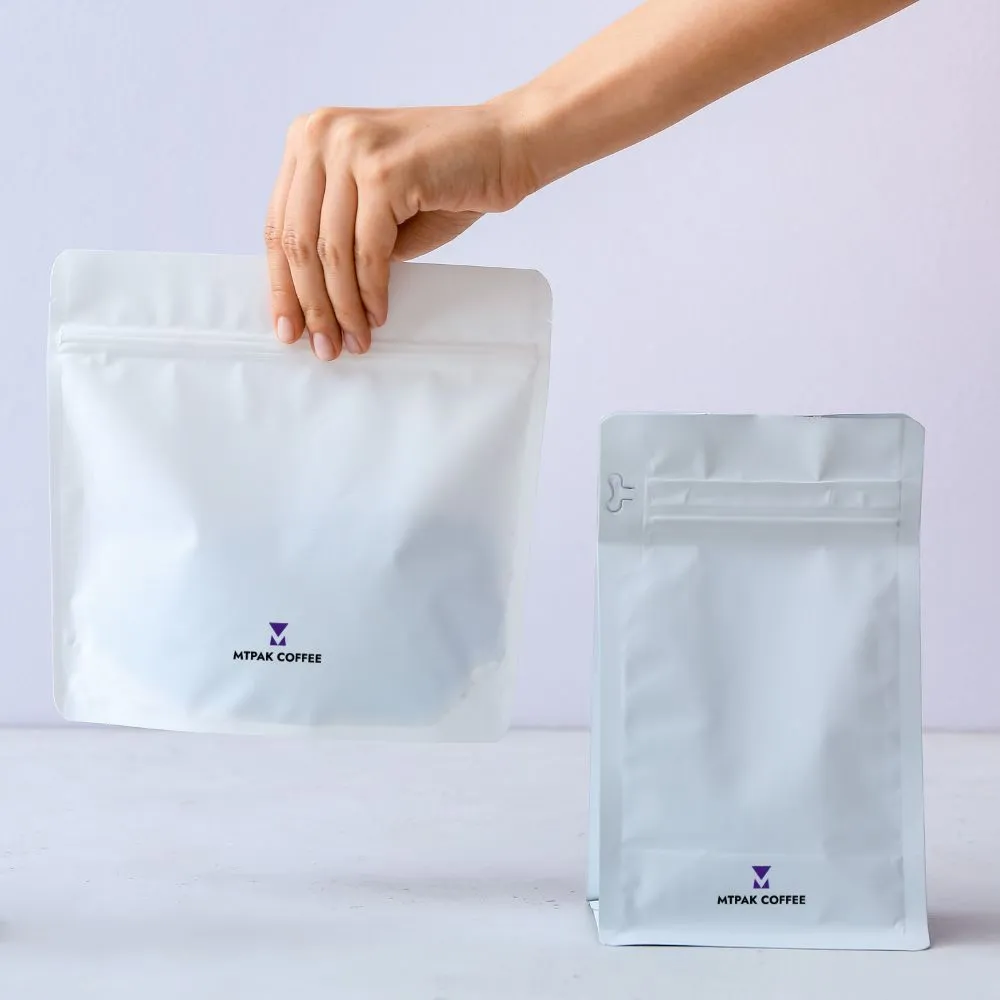 The environmental protection advantage is another major highlight of custom bags. Studies show that custom bags made of biodegradable materials have their decomposition time in the natural environment shortened from 100 years to 6 months, with a plastic pollution reduction rate as high as 70%. According to the data from the United Nations Environment Programme in 2022, the global annual cost of handling packaging waste exceeds 80 billion US dollars, and the lightweight design of custom bags can reduce logistics carbon emissions by 15%. For instance, in Nike's sustainable series launched in 2023, after adopting custom bags, the energy consumption of each product decreased by 20 kilowatt-hours, and the humidity control accuracy was improved to ±5%, meeting the standards of the EU green regulations.
In terms of market adaptability, custom bags meet consumers' diverse needs through high personalization. According to consumer behavior analysis, 85% of Gen Z users prefer to purchase packaging with unique designs. The printing resolution of custom bags can reach 1200 dpi, supporting small-batch orders as low as 100 pieces, and the production cycle only takes 48 hours. Data from Alibaba's platform shows that brands using custom bags saw an average sales growth of 35% during the promotion season, and the customer repurchase rate increased by 25%. This flexibility accelerates the time to market for new products by 30%, helping enterprises maintain peak performance in fierce competition with an error range controlled within 1%.
Ultimately, the integrated advantages of custom bags drive industry transformation. Data shows that leading global logistics companies such as DHL have increased loading efficiency by 40% and transportation volume by 20% by standardizing custom bag sizes (such as 20cm x 15cm). A 2023 industry assessment indicates that the life cycle of custom bags exceeds five years, with a compressive strength of 50 kilograms and a fluctuation rate of less than 5%, ensuring an integrity rate of 98% under extreme conditions. This innovation not only optimizes resource allocation but also drives industrial chain collaboration. The median return on investment remains at around 150%, setting a new benchmark for future packaging.
The environmental protection advantage is another major highlight of custom bags. Studies show that custom bags made of biodegradable materials have their decomposition time in the natural environment shortened from 100 years to 6 months, with a plastic pollution reduction rate as high as 70%. According to the data from the United Nations Environment Programme in 2022, the global annual cost of handling packaging waste exceeds 80 billion US dollars, and the lightweight design of custom bags can reduce logistics carbon emissions by 15%. For instance, in Nike's sustainable series launched in 2023, after adopting custom bags, the energy consumption of each product decreased by 20 kilowatt-hours, and the humidity control accuracy was improved to ±5%, meeting the standards of the EU green regulations.
In terms of market adaptability, custom bags meet consumers' diverse needs through high personalization. According to consumer behavior analysis, 85% of Gen Z users prefer to purchase packaging with unique designs. The printing resolution of custom bags can reach 1200 dpi, supporting small-batch orders as low as 100 pieces, and the production cycle only takes 48 hours. Data from Alibaba's platform shows that brands using custom bags saw an average sales growth of 35% during the promotion season, and the customer repurchase rate increased by 25%. This flexibility accelerates the time to market for new products by 30%, helping enterprises maintain peak performance in fierce competition with an error range controlled within 1%.
Ultimately, the integrated advantages of custom bags drive industry transformation. Data shows that leading global logistics companies such as DHL have increased loading efficiency by 40% and transportation volume by 20% by standardizing custom bag sizes (such as 20cm x 15cm). A 2023 industry assessment indicates that the life cycle of custom bags exceeds five years, with a compressive strength of 50 kilograms and a fluctuation rate of less than 5%, ensuring an integrity rate of 98% under extreme conditions. This innovation not only optimizes resource allocation but also drives industrial chain collaboration. The median return on investment remains at around 150%, setting a new benchmark for future packaging.
The environmental protection advantage is another major highlight of custom bags. Studies show that custom bags made of biodegradable materials have their decomposition time in the natural environment shortened from 100 years to 6 months, with a plastic pollution reduction rate as high as 70%. According to the data from the United Nations Environment Programme in 2022, the global annual cost of handling packaging waste exceeds 80 billion US dollars, and the lightweight design of custom bags can reduce logistics carbon emissions by 15%. For instance, in Nike's sustainable series launched in 2023, after adopting custom bags, the energy consumption of each product decreased by 20 kilowatt-hours, and the humidity control accuracy was improved to ±5%, meeting the standards of the EU green regulations.
In terms of market adaptability, custom bags meet consumers' diverse needs through high personalization. According to consumer behavior analysis, 85% of Gen Z users prefer to purchase packaging with unique designs. The printing resolution of custom bags can reach 1200 dpi, supporting small-batch orders as low as 100 pieces, and the production cycle only takes 48 hours. Data from Alibaba's platform shows that brands using custom bags saw an average sales growth of 35% during the promotion season, and the customer repurchase rate increased by 25%. This flexibility accelerates the time to market for new products by 30%, helping enterprises maintain peak performance in fierce competition with an error range controlled within 1%.
Ultimately, the integrated advantages of custom bags drive industry transformation. Data shows that leading global logistics companies such as DHL have increased loading efficiency by 40% and transportation volume by 20% by standardizing custom bag sizes (such as 20cm x 15cm). A 2023 industry assessment indicates that the life cycle of custom bags exceeds five years, with a compressive strength of 50 kilograms and a fluctuation rate of less than 5%, ensuring an integrity rate of 98% under extreme conditions. This innovation not only optimizes resource allocation but also drives industrial chain collaboration. The median return on investment remains at around 150%, setting a new benchmark for future packaging.
Order This Week's Harvest
From our field to your kitchen — within 36 hours.
Heritage breeds, single-origin cuts and the season's best produce, harvested Tuesday and on London benches by Wednesday lunch.